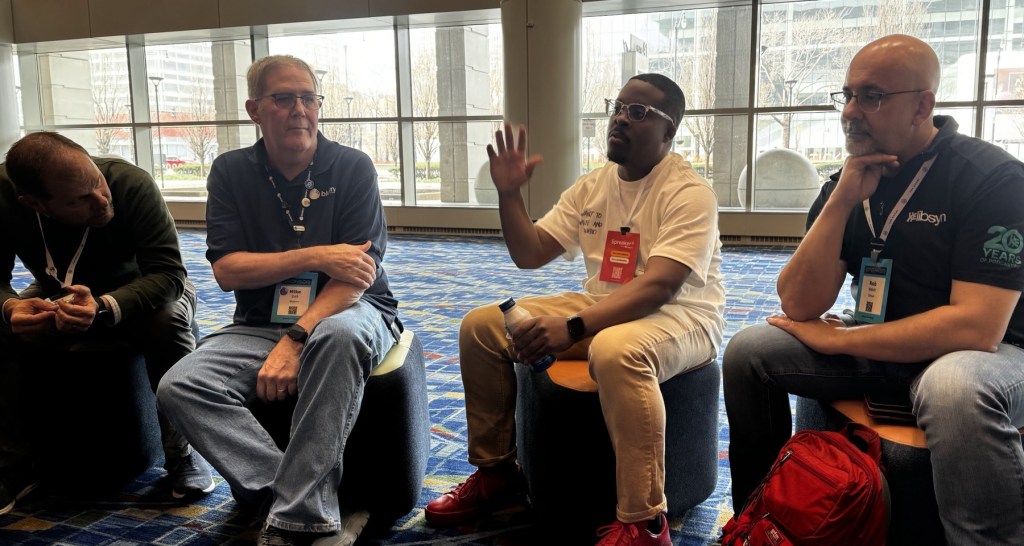
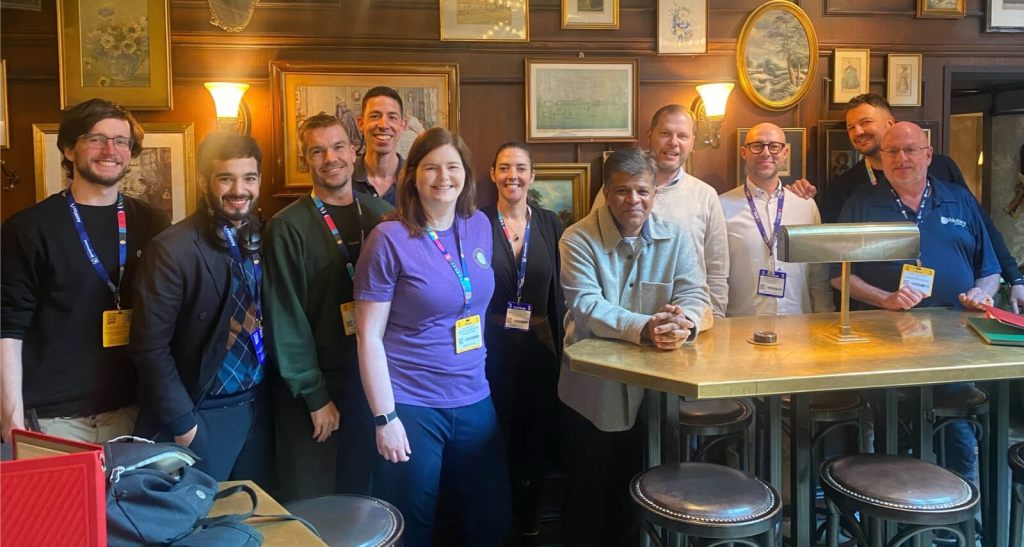
Last month, my friend Aaron Francis sent me an email. I can’t get this line out of my head:
”You’ve got to play the game on the field. You need to decide if you want to win or if you want to be right; if you want to be stubborn or if you want to [make progress].”
The Podcast Standards Project is a grassroots coalition dedicated to adopting new features that improve the open podcasting ecosystem for both listeners and creators.
In one sense, the PSP needs to play the game on the field. We need to understand what genuinely motivates creators and listeners and respond with features they care about.
But in another sense, we’re also trying to do the impossible: we’re trying to change the game.
We’re advocating for:
large platforms to adopt open-standards,
creators and consumers to understand the benefits of RSS and decentralized media,
and features that improve podcast publishing and podcast listening.
We live in this tension: reflecting the reality on the field while also fighting for the ideals we want to see in the world.
It was an “unrealistic idealism” that gave the original Web Standards Project the audacity to petition Microsoft to adopt W3C standards in Internet Explorer 6. We’re trying to do something similar.
How we play the game on the field
If we’re going to adopt new RSS-based features, they should reflect what creators and listeners want.
The biggest risk to our project is adopting our own pet projects instead of building features that creators actually want to use.
This means identifying features/specs that have the potential to:
reach a critical mass of podcasters and listeners,
and fulfill a strong desire shared by podcasters and listeners.
I think the best example we have of this was the <podcast:transcript> feature. There was evidence that creators wanted it: many had been transcribing their episodes for years. Listeners wanted it as well! Many of them were reading transcripts, saving quotes, and so on.
The reason transcripts worked is that we had evidence creators wanted it before we built it, and evidence they used it after we launched it. That should be the bar for everything we do.
We need to recognize the biases we bring to the table: the preferences we’ve accumulated over a lifetime (being computer nerds, syncing iPods to iTunes, etc). In so many ways, “we are not the end-user.”
Every once in a while, I’ll head over to Podping Watcher to see the stream of episodes from everyday podcasters. These creators (and their listeners) are our target market!
How we’re trying to change the game
Convincing a big company to do anything is a near-impossible task. (We all know this – and have the scars to prove it!)
But, at the PSP, we’ve decided to try because we know:
We need to reach a critical mass of podcast listeners.
Collectively, our advocacy has an impact.
Trying is better than not trying.
Still, we need to be judicious about where we invest our energy. The task of advocating for industry-wide change is difficult enough; we can’t make it harder.
Here’s an example: I’m really upset about browsers removing XSLT support for RSS feeds. In my heart, I’m “right” (this is a big loss for the open web). But the reality is that James Cridland is right: we have to pick battles we have a chance of winning. Everything else is wasted energy.
We have to prioritize what we bring to the table.
There are a few features we’ve already adopted that might be good candidates for speaking to the big platforms about:
Support for the <alternateEnclosure> tag.
Support for the <podcast:person> tag.
Support for the <podcast:podroll> tag.
What bets do we want to make in 2026?
Up until now, we’ve adopted new features through discussion at our in-person meetings. But as the PSP grows, we need a more structured approach.
Every proposal needs an explicit emphasis on the value it creates for the listener or the creator. Otherwise, it will never get off the ground. We should have a hypothesis about what this value is, force ourselves to formulate it clearly, and validate it.
Before we commit to building anything, we need to answer: do creators and listeners actually want this? Is there evidence of real demand?
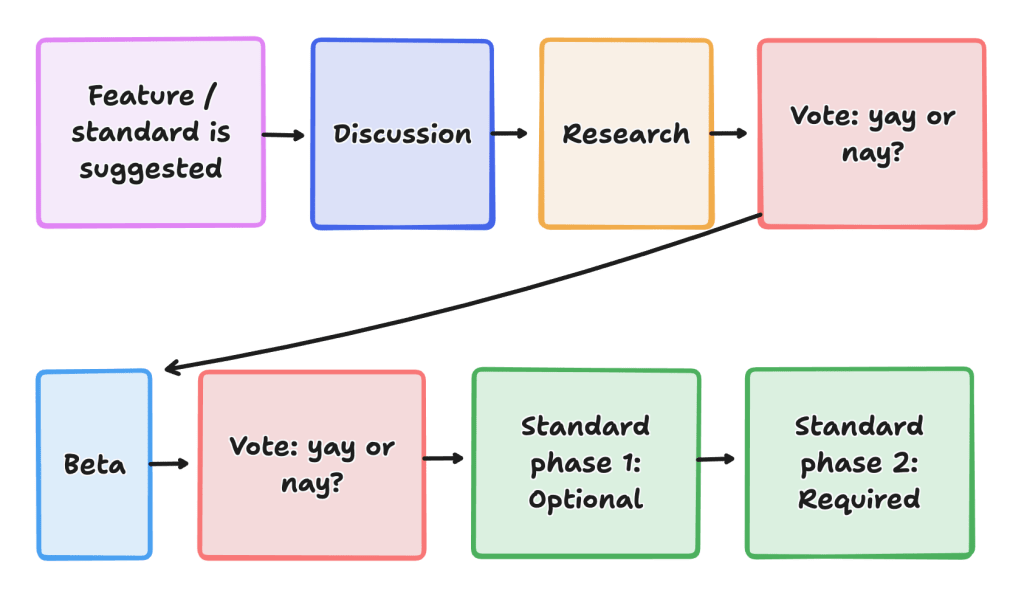
Proposals move through a clear pipeline: Proposal → Research → Vote → Beta → Vote → Standard. We can backtrack at any stage if the evidence isn’t there.
We’re a small group who’ve chosen to collaborate on something bigger. Let’s channel that energy into the battles we can actually win.
Since many attendees hadn’t yet arrived at the conference, I expected about 5-10 people to attend the session. Instead, 40-45 people filled our small meeting room, spilling out the door.
Many in attendance believe that RSS-based podcasting needs to innovate to better support video podcasts. Others who attended were creators who wanted to do a video podcast and wanted to see what was possible.
Demo: what video podcasting with HLS looks like for listeners
We started with a scenario: imagine you’re walking home from work, listening to your favorite podcast. At one point, you get curious about who’s speaking and what the guests look like. You pull out your phone and click “switch to video version” in your podcast player.
This is how it would look for a podcast listener:
The beauty of this system is that it’s:
Audio-first: Audio listening remains the default.
Utilizes an existing UI paradigm: The ability to switch between audio and video versions of an episode is already employed by YouTube Music and Spotify.
What video podcasting with HLS looks like for creators
On the creator side, the ideal workflow would look like this:
You would upload your video episode to your favorite podcast hosting provider
Your podcast host takes the file, creates an audio version, and generates an HLS video version.
Both the audio version and the HLS video version get added to your podcast’s RSS feed when you click publish.
Optionally, your video could also be submitted to the closed platforms (YouTube and Spotify).
Open podcasting apps, such as True Fans, Fountain, and Pocket Casts, will detect if your podcast has a video version. They make that available to listeners in those apps.
The big advantages for creators: you only need to upload your media file to one place, and you’ll view your analytics for video and audio consumption in your host’s dashboard.
What’s the next step?
For HLS video to become mainstream in open podcasting, we need podcast apps to adopt the standard.
In particular, having Apple Podcasts adopt HLS video would legitimize the standard and likely trigger widespread adoption across the entire podcast ecosystem.
Over the last three years, we’ve learned that when you provide people with a time and place to discuss RSS and open standards, they show up.
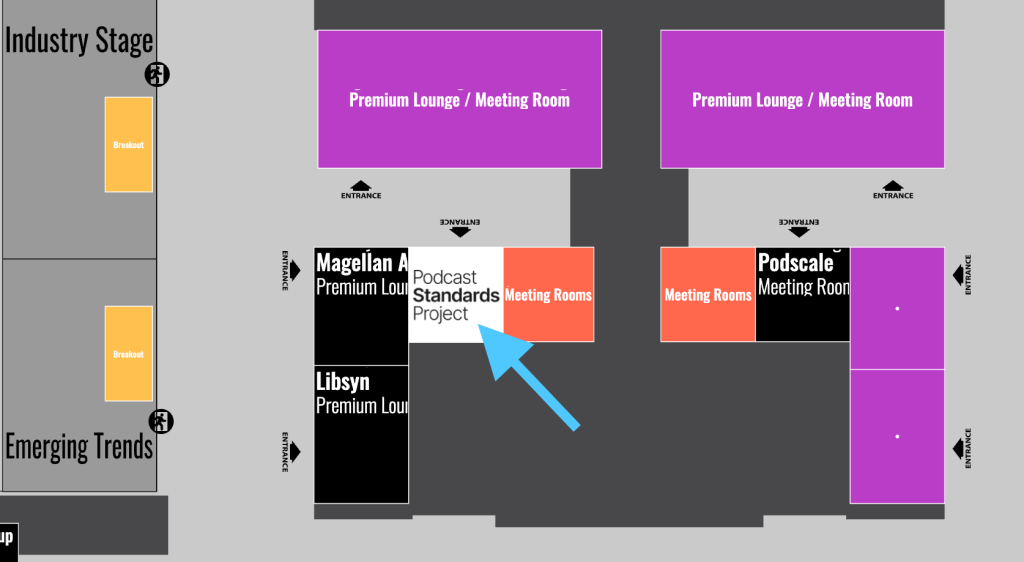
We’re excited to announce that, for the first time, the Podcast Standards Project will have an official space at Podcast Movement. Here are the events we have planned:
This means we’ll have a quiet space to host events, an open house, and meetings. We’ll also be featured on the official conference schedule.
A few of the sessions we have planned (RSVP here):
PSP members meeting – this is a meeting for PSP member hosting companies and podcast apps (and potential members). Ideally, a time where folks can slip away from their booths.
Podcast Standards Open House – time for anyone interested (creators, apps, etc) to come and hear about the benefits of the open podcast ecosystem, and to see how they can start using new Podcasting 2.0 features.
Many listeners, creators, and companies in our industry are curious about how “open podcasting” works, and want to learn more about it. We’re glad we can provide an official space at PM for this to happen!
“Great timing! We’ve just released a new version of Fountain into beta today that supports HLS Video via alternate enclosure.”
I downloaded the Fountain beta on iOS, loaded up my demo feed, and witnessed the exact user experience I’d been dreaming of for video podcasting.
Fountain: HLS video streaming
Fountain’s beta implementation is everything we hoped for in our proposal. It delivers an audio-first experience that seamlessly integrates video without disrupting the core podcast workflow.
Audio-First Design: Fountain’s user interface is designed to be audio-first. But the video option is available when you want it.
Seamless Video Switching: A simple toggle lets listeners switch between audio and video modes instantly. The playback position stays synchronized – no interruption, no restart.
Real-World Flexibility: You can start listening while walking, switch to video when something visual is referenced, then back to audio – exactly how people actually consume content.
Big Screen Ready: Once we have support for connected TVs and AirPlay, consumers will be able to switch from audio listening to viewing the episode from their couch.
Why This Matters for the Podcast Ecosystem
We believe that using HLS for video and audio streaming will help keep podcasting open.
Currently, video podcasting forces creators into an either/or choice. Traditional video podcast feeds require massive file downloads and separate RSS feeds. Platforms like YouTube and Spotify offer video but lock creators into proprietary ecosystems.
The HLS Solution:
HLS streaming through the podcast:alternateEnclosure tag gives creators the best of both worlds – open RSS distribution with adaptive video streaming that works across devices and connection speeds.
The implementation uses a simple RSS structure that any podcast hosting platform could adopt:
This simple XML addition transforms any podcast feed into a dual-format experience. Listeners can choose to consume audio or video.
What makes this powerful:
Backward Compatibility: Existing podcast apps continue working with the audio enclosure
Adaptive Streaming: HLS automatically adjusts quality based on connection speed
No File Downloads: Video streams in small chunks instead of requiring multi-gigabyte downloads
Single Feed: One RSS feed serves both audio and video consumers
Kudos to TrueFans for their HLS implementation
It’s worth noting that TrueFans has supported HLS video podcasting since last year. TrueFans has HLS audio/video working in production on iOS, Desktop, FireTV, and in their Google App beta.
Collaboration is what drives open podcasting forward
The strength of the PSP lies in the cooperation and coordination between members. After discussing it in London, Oscar and the Fountain team implemented the HLS video streaming spec, proving that open standards can move fast and innovate.
This is how the podcast ecosystem should work: creators, hosting platforms, app developers, and standards organizations collaborating to push the medium forward while keeping it open and decentralized.
What’s Next: The Call for Universal Adoption
Fountain and TrueFans have shown this works beautifully. Now we need every podcast app to implement HLS video support.
Apple Podcasts: please support HLS
Apple is celebrating 20 years of podcasting. They were the first podcast app to offer video, but deprecated the feature in 2017.
Apple also invented HLS technology. It’s time for them to bring video back to Apple Podcasts and support HLS in the alternate enclosure.
This is a natural fit for Apple! The Apple TV platform, which includes both the Apple TV set-top box and the app on smart TVs, is estimated to have 75 million users worldwide.
With HLS streaming, Apple could establish video podcasts as a cornerstone of the Apple TV experience.
Apple also has a successful creator monetization program, with podcast subscriptions. Video podcasts make for great premium podcasts!
Which apps already support HLS?
These apps support HLS video streaming in the alternateEnclosure:
We can have adaptive video streaming, seamless user experiences, and creator control – all within the RSS ecosystem.
We’re moving on from the old paradigm of separate video feeds and massive file downloads. HLS streaming in an alternate enclosure is the future of video podcasting:
Now let’s make it universal. Every podcast app, every hosting platform, every creator should have access to this technology.
Want to contribute to the HLS video podcast specification? Join the discussion on GitHub or learn more about the Podcast Standards Project.
At our most recent PSP meetings in London, there was near-unanimous agreement that the open podcast system needs to offer a better solution for video podcasts delivered via RSS.
Why do we need a new solution for video podcasts?
Video has been part of podcasting for a long time. Tristan Louis first introduced the idea of distributing video via RSS in 2000. Five years later, Apple brought podcasts to iTunes with support for video podcasts. Some popular video-first shows emerged from that era, including Tekzilla, Diggnation, and The Ricky Gervais Podcast.
Today, interest in video is back, and more creators are interested in creating podcasts that feature video.
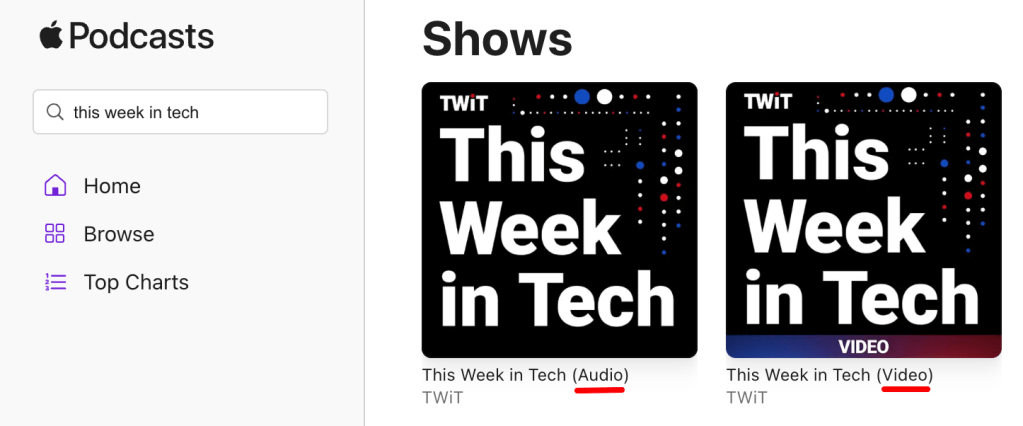
However, the old iTunes paradigm of separate feeds for audio and video is outdated:
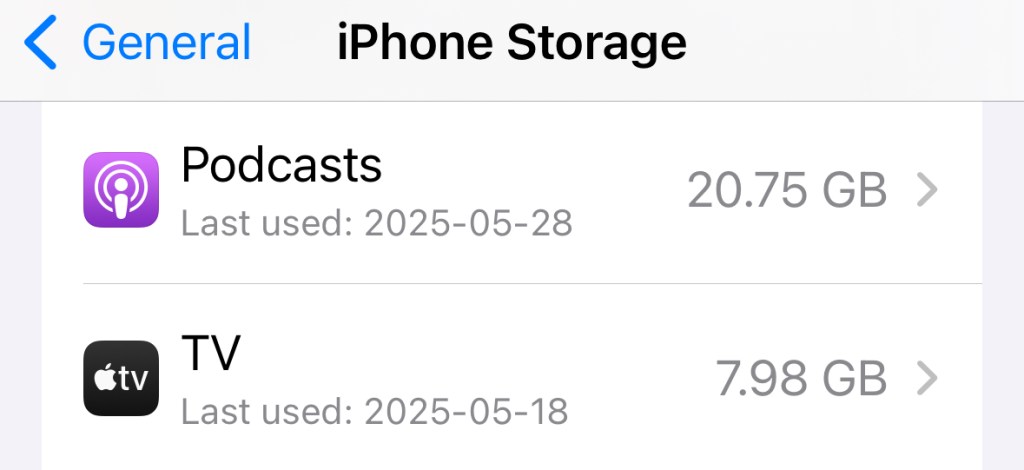
This system also had a further complication: consumers had to download massive video files to their devices, which took up valuable storage space.
Our proposal: HLS streaming
Instead, we’re proposing a new paradigm: creators would have an audio-first RSS feed, with an alternate enclosure for streaming video via HLS.
HLS (HTTP Live Streaming) is an adaptive bitrate streaming protocol developed by Apple. Unlike traditional file downloads, HLS breaks media into small segments (typically 2-10 seconds each), allowing consumers to stream video without downloading entire files, with playback quality that automatically adjusts to their internet connection speed.
Here’s an example of how the alternateEnclosure might look in an RSS feed:
This ensures that podcasters don’t split their audience between two feeds and allows them to publish a video podcast to open RSS apps.
In this scenario, creators would upload video episodes to their hosting platform. The videos would be encoded in formats compatible with HLS, and could be requested by listeners using apps that support streaming, such as Pocket Casts, TrueFans, and Fountain.
In an ideal world, we would like to see Apple Podcasts support this new paradigm (we think it would be especially beneficial to them for expanding Apple TV+ and offering video as bonus content in Podcast Subscriptions).
However, apps like Pocket Casts already support HLS streaming, so we could roll this out whenever the spec is ready.
Discussion and draft spec
PSP members initially discussed our approach to video in August 2024. At that time, the main concern from podcast hosting companies was how we would handle the bandwidth costs.
This is still a primary concern in the PSP Slack discussions:
However, we’re moving forward in developing a spec for HLS video streaming in podcast RSS feeds.
Multiple hosting providers are planning on building prototypes for how this might look on their end, and are coordinating with listening apps like Pocket Casts to test those implementations.
Audio Streaming
While our primary focus is on solving video podcast distribution, HLS streaming also offers significant advantages for audio-only podcasts. HLS can deliver adaptive bitrate audio streams, automatically adjusting quality based on network conditions, providing crystal-clear audio on fast connections while ensuring uninterrupted playback on slower networks. Adding an additional alternateEnclosure for audio streaming via HLS would be fairly straightforward.
Improving podcast consumption analytics and measurement
HLS adoption could also help with our goal of providing consumption analytics for the open podcast ecosystem.
“I have a feeling this delivery will go hand in hand with video HLS to provide more accurate measurement for not only content, but ad impressions as well.” – Rockie Thomas
Traditional RSS enclosures provide limited insight into actual listening behavior – hosting platforms know when files are downloaded, but not if they’re actually consumed. HLS streaming, however, could provide detailed analytics about actual playback: how long listeners engage, where they drop off, and which segments are replayed. This would give creators and hosting platforms YouTube-level insights while maintaining the open, decentralized nature of RSS podcasting.
Hurdles to overcome
There are still unanswered questions, especially around bandwidth costs for hosting platforms. However, PSP members are willing to collaborate to solve these challenges. A few members, like Rockie and Kevin, already have experience building this infrastructure. (One interesting suggestion is to have larger platforms like Apple Podcasts cache the video.)
What’s at stake?
“We know from our creator surveys, that podcasters want to do video, and that they want to disribute their video ‘everywhere.’ There’s an appetite for more podcast platforms to support video podcasts (beyond YouTube).” – Helen Ryles
If we don’t nail this, we’ll be essentially telling podcasters that their only real options for podcast video are YouTube and Spotify.
If you’d like to join the PSP Slack to discuss this more, send me a DM on LinkedIn.
Date: May 21, 2025 Location: Flight Club Restaurant, London, UK Event: The Podcast Show London Meeting Organizer: Justin Jackson
“Really delighted with the progress we made with the Podcast Standards Project at this year’s London Podcast Show. We were able to organize two separate events, and connect with many new listening apps, hosting providers, and creators… It feels like this movement is really solidifying.” – Justin Jackson
Key Discussion Topics
1. Strategic Direction: Open Podcast Ecosystem
Justin opened with the central question: “What is a workable strategy for us to pursue as an open podcast ecosystem?”
Key points discussed:
YouTube’s increasingly dominant position: adoption by consumers and creators is increasing
The unique value proposition of audio-first podcasting
Michael Osbourne’s insight: “Podcasting is where I go to get away from the internet”
Need for open standards to compete with closed platforms
2. Location Tag Update
Feature Champion: Alberto (RSS.com)
Alberto provided an update on the Location Tag development:
Following the Chicago meeting, the Location Tag was selected as the next feature to support
James Cridland refined the definition and specifications, making it more precise
Implementation now uses OpenStreetMap (OSM) with clear distinction between subject and creator locations
Creator Feedback: Jordan Harbinger and the $100 MBA hosts noted that it might be difficult to get creators to fill out location information for each episode you publish (“there’s already a lot to do to publish an episode, this is one more thing”), but they admitted it could be cool for certain shows (walking tour podcasts for example).
3. Apple Podcasts Requests
Justin shared feedback from Apple Podcasts regarding RSS feed formatting standards (see GitHub discussion here). Key requirements include:
Episode Descriptions:
Avoid deprecated iTunes summary tags
Use <description> instead of <content:encoded>
Limit descriptions to 10,000 characters maximum
Deprecated Tags to Remove:
<itunes:owner>
<itunes:keywords>
<itunes:order>
Required Tags:
<guid> on every <item>
<generator> tag
Artwork Specifications:
Size: 1400×1400 to 3000×3000 pixels
Format: JPEG or PNG, RGB color space
File size: Under 500KB
Aspect ratio: Square (1:1) – critical requirement
Technical Improvements:
Standardize boolean values to True/False or true/false
Avoid defaulting language to English
Implement HTTP ETag for efficient feed crawling
Uptime Monitoring: Apple requested uptime URLs for each hosting provider to troubleshoot playback issues.
April 2, 2025 – Hyatt Regency McCormick Place Chicago
PSP Members, plus other interested attendees from Podcast Movement Evolutions, met to talk about how we can add innovative new features to the open podcast standard.
We focused on these themes:
Our collective desire is to bring new features to the open podcast ecosystem that matter to listeners and creators. Notably, we want to offer features that creators are “pulling” for (not features we need to “push” and convince them to adopt). Whatever we implement should genuinely serve podcast fans and creators.
Multiple people highlighted the significance of having industry competitors cooperating toward this shared mission. “Just having this group together, talking, collaborating, and trying to make progress is a win.”
Finding and implementing valuable new features across multiple companies is challenging. Adoption takes time, especially for established companies. The critical work happens behind the scenes: communicating with hosting companies and apps, and advocating for new features added to our supported tags/features list.
Justin opened by reiterating the PSP mission: “a grassroots industry coalition dedicated to creating new features that improve the open podcasting ecosystem for both listeners and creators.”
In discussion, we agreed our focus should remain on what creators and listeners care about, not just what’s technically interesting or easy to implement.
2. PSP Impact Report Highlights
Justin also shared that PSP members have now brought Podcasting 2.0 features to over 427,000 RSS feeds. This represents significant progress in our mission to improve the open podcasting ecosystem. The contrast between PSP member adoption rates (100% for core features) versus non-members continues to demonstrate the value of our collaborative approach.
3. Project Infrastructure Changes
The group discussed how GitHub discussions and application submissions hadn’t been effective. We voted to move the project off GitHub officially.
Moving forward, discussions will take place during PSP meetings and on Slack (which has seen much higher engagement).
The group considered a number of candidates for which feature we could commit to implementing as a group:
Social Interact Tag
Justin demonstrated how Transistor has implemented the Social Interact tag to integrate Bluesky comments with podcast websites. When a podcast is auto-posted to Bluesky, the URL of the root post is added to the RSS feed via the socialInteract tag, creating a canonical location for episode discussions.
Status: While the group agreed this was a good example for how socialInteract might be used, there wasn’t significant appetite to add it to the PSP list of supported features at this time.
Chapters Tag
Most PSP members confirmed they’ve already implemented the Chapters tag, which links to an external file containing episode chapter data.
Status: Some attendees didn’t feel there was enough “pull” to make this an officially supported tag at this moment. We’ve decided to categorize it as “optional, but recommended.”
Location Tag
This feature generated the most excitement from attendees.
Alberto from RSS.com presented the Location tag, which describes the editorial focus location for a podcast’s content. The group discussed various use cases, including:
Improved discovery for location-specific content
Enhanced metadata for local interest shows
Better search capabilities for location-based podcast apps
Status: There was agreement to add this to the standard, with Alberto volunteering to champion its adoption. This is a win!
Follow Tag
Nathan Gathright explained how the Follow tag would help verify podcast presence across platforms by providing an array of URLs in a linked JSON file. This would solve the problem of matching feeds to their corresponding URLs in third-party podcast apps.
Status: Jason Pearl (Transistor.fm) and Alberto (RSS.com) committed to following up with Tom Rossy (Buzzsprout) about implementation details. The group recognized this would be particularly valuable for universal link services like episodes.fm.
5. Feature Champions Program
The group formalized the “Feature Champions” concept, where a specific individual takes responsibility for each feature we adopt. Champions will:
Reach out to hosting companies and apps
Advocate for feature adoption
Provide implementation support
Create documentation and examples
6. Big Feature Ideas – Future Tags
Video and HLS Support
At every PSP meeting, we’ve discussed video (and YouTube). This meeting featured our most substantive discussion around video, specifically implementing HLS.
Overall, there was considerable excitement about the possibilities.
Ellie Rubinstein from Pocket Casts presented their implementation of video podcasts, leading to a broader discussion about HLS (HTTP Live Streaming) and how it might be incorporated into the podcasting ecosystem.
Key points raised:
Bandwidth costs remain a significant concern for hosting providers, but HLS could reduce bandwidth usage
Spotify and YouTube would likely not adopt the standard, but hosting providers could distribute video to them via API
A pathway exists for apps like Apple Podcasts to adopt an HLS standard in RSS feeds (especially if connected with delegated delivery and premium podcast subscriptions)
Status: The group agreed to continue exploring technical options and cost models for HLS implementation. Justin, Jason, John Spurlock, Nathan Gathright, Ellie Rubinstein and others were particularly keen on exploring HLS further.
Open Consumption Analytics
Due to time constraints, John Spurlock has his proposal for open consumption analytics here:
The group discussed potential collaborative marketing efforts to promote PSP-supported features. There was consensus that any marketing campaign should be tied to concrete features that deliver tangible benefits to creators or listeners.
Key points discussed:
Marketing generic concepts like “podcast standards” or “the benefits of RSS” would likely not resonate with the target audience
Creators primarily want help with distribution and monetization
Listeners want improved discovery and listening experiences
Any marketing should focus on specific benefits: “Want [X]? Use an app/host that supports it!”
Status: The group decided to postpone collaborative marketing efforts until we have implemented features with clear, meaningful benefits that we can promote. This approach ensures we deliver value before asking for adoption.
Key Action Items
Location Tag Implementation
All existing members to implement the location tag
Alberto designated as feature champion
New Member Certification
Non-certified attendees to review existing specifications
Submit PSP certification applications
Follow Tag Development
Jason and Alberto to coordinate with Tom on implementation details
Analytics Development
John to distribute technical specifications for open consumption analytics
Video/HLS Investigation
Continue exploration of video implementation options
Further research into HLS cost models and technical requirements
Marketing Planning
Identify specific features with clear benefits for potential marketing campaigns
Develop messaging that focuses on tangible outcomes for creators and listeners
Closing Thoughts
This meeting felt particularly productive. We’ve seen an influx of new interest in PSP, both in meeting attendance and Slack engagement. The behind-the-scenes advocacy is working: more hosting platforms and apps are being engaged. The meeting’s outcomes reflect our approach: committing to tangible features to implement while exploring “bigger swings” for the future. We’re building momentum toward meaningful improvements in the open podcasting ecosystem.
Since 2022, the Podcast Standards Project (PSP) has been working to keep innovation alive in the open podcast ecosystem.
The core mission of PSP is to drive the adoption of new podcast features in RSS feeds.
Three years in, it’s time to ask: what impact have we made?
A quick summary:
PSP members are 3.6 times more likely to implement Podcasting 2.0 features than non-members. We’ve brought features like Podping, Locked, Funding, Transcript, Person, and Podroll to over 427,000 RSS feeds.
We’ve established unprecedented cooperation among podcast companies that regularly meet 2-3 times per year and collaborate on adding new open-podcasting features.
Despite our progress, changing consumer behavior remains our biggest obstacle. The path forward requires identifying 1-2 “killer features” compelling enough for both creators and listeners to choose open podcast standards.
We acknowledge that we need to do better with marketing, feature champions, and creator/app outreach.
So far, we’ve asked members to adopt these new features: Podping, Locked, Funding, Transcript, Person (optional), and Podroll (optional). We meet two or three times a year and try to adopt a new feature at each meeting.
Here’s what the data tells us about our progress.
I analyzed the top 35 podcast hosting providers (by number of feeds) and included adoption for the six features mentioned above. Here’s what I found.
PSP members are 3.6 times more likely to support Podcasting 2.0 tags compared to non-members. 100% of PSP members have adopted Podping, Locked, Funding, and Transcript. 0% of non-members have adopted all four of those features.
Furthermore, 75% of PSP members have adopted both the Person and Podroll tags (which are optional, but recommended). In comparison, 0% of non-PSP members have adopted both of these features.
To quantify this impact:
PSP members have collectively brought Podcasting 2.0 features to 427,001 RSS feeds. That means hundreds of thousands of podcasts now offer more accessible transcripts, funding options, host & guest credits (Person), and more—features that make podcasts easier to discover, support, and build on.
Comparatively, only 11.2% of non-PSP members have added a Podcasting 2.0 tag. This represents 316,590 feeds.
These numbers tell a clear story: when companies actively participate in PSP, they’re significantly more likely to implement new features that benefit creators and listeners. However, the data also reveals a concerning gap: many of the largest platforms, which serve the majority of podcast listeners, remain outside this innovation ecosystem.
Something else to celebrate
Beyond feature adoption, the PSP has achieved something equally remarkable: collaboration across competitors. It’s not easy to get CEOs, product managers, and engineers from rival companies to sit down, share roadmaps, and work together—but that’s exactly what’s happening.
For a grassroots group formed in 2022, running entirely on volunteer time, that’s a big deal.
Looking toward the future: here’s what we’re up against
Despite our progress, we’re operating in a challenging environment:
Spotify and YouTube dominate discovery and consumption, but don’t support any of this new RSS-driven innovation.
Apple Podcasts has supported the transcript and TXT tags but hasn’t endorsed any other tags.
Creators will go wherever the audience is; right now, most platforms don’t prioritize openness.
Most podcast consumers are creatures of habit and aren’t actively looking for a new podcast app.
Adoption requires coordination across hosts, apps, creators, and listeners—a tough challenge for any standard.
PSP can’t compete with the reach and budget of large platforms—but we can help independent podcasting stay modern, open, and listener-friendly. That’s still worth fighting for.
Narrowing our focus: what would actually make a difference?
The biggest challenge with all of this isn’t technical. The hardest problem to solve is how to change consumer behavior.
Mass-market platforms capitalize on customer inertia. Once customers start using a large platform like Spotify or YouTube for podcasts, they rarely switch to alternative apps. This makes it difficult for open podcast standards to gain traction, even when they offer superior features.
Mastodon is an open, decentralized alternative to the mainstream social networks. However, only 1% of the US population aged 12+ uses it.
If we want to drive real change in open podcasting, we need to meaningfully change consumer behavior.
The average listener doesn’t care about “Podcasting 2.0” or “Open Standards”—they just want an easy way to listen, discover, and interact with the shows they love.
Could we convince podcast consumers to switch?
If the biggest podcast apps won’t adopt new open-standard features, could we convince podcast fans to switch to an independent app that does?
I want to emphasize how difficult this is. I can’t think of many examples where open alternatives have succeeded without the support of a ubiquitous, standardized client—like the web browser.
For example, WordPress (an open platform) won in the blog publishing world because it could rely on the open web. Anyone could start a blog, and anyone else could read it without needing to download a new app, sign up for a service, or change their habits.
Podcasting, on the other hand, is fragmented across dozens of clients, each with its own priorities, incentives, and feature sets. Unlike the web, there’s no unified client for open podcasting to build on. Instead, we’re asking consumers to switch apps—a much higher bar! And we’re asking them to do this not because their current app is broken but because they might get some new features in a different one. That’s a much tougher pitch.
It’s even harder when the largest platforms have no incentive to implement open features. They already control most of podcast consumption and are not looking to share that power. In fact, they benefit from doing the opposite: locking users into their ecosystem, their recommendation engine, and their monetization tools. So, any innovation in the open ecosystem must be so compelling that it overcomes user inertia and outcompetes the defaults people already use daily.
If open podcasting wants to compete, it must offer something meaningfully different—something that gives creators and listeners a reason to care.
So, the question for all of us is: What 1-2 “killer features” could we adopt that could potentially change consumer behavior and existing preferences?
What features might motivate them to switch their podcast consumption to a podcast app that supports said features?
Finding a Podcasting 2.0 “Killer Feature”
Here’s one potential “killer feature” idea:
Talkback: Real-time Listener Engagement
Disclaimer: This is exploratory. I’m not certain it would gain enough traction, but it illustrates the kind of innovation that could move the needle.
Imagine you’re listening to your favorite show on Pocket Casts or TrueFans. The host says something that fires you up, and you wish you could respond immediately. With “Talkback,” you could:
Double-tap your AirPods
Click the “Talkback” button in your podcast app
Record your message (30 seconds or less)
Using the new “talkback” tag, your response would be delivered directly to the creator (since all major hosting providers in PSP would support the feature).
Creators could then choose to dynamically insert selected listener responses as post-roll audio: “Thanks for listening! Here are some thoughts from our audience on today’s episode…”
This creates a virtuous cycle where:
Listeners feel more connected to their favorite shows
Creators get authentic engagement and content
Both groups have a concrete reason to choose open podcast apps and platforms
How PSP can improve
I’ve listened to the critiques of the Podcast Standards Project. Here are a few other ideas on how we might improve going forward:
Cooperative marketing campaigns
What if all the PSP members pooled their resources and launched an advertising campaign promoting independent podcast apps and new innovative features in the open ecosystem? We could also focus campaigns on getting more people to become audio podcast listeners.
Feature champions
James Cridland put forward this idea, and I think it makes sense. Each new feature being adopted should have a “feature champion, an individual or company who “owns” the feature and will be the point of contact, write guides, and do outreach.
More creator outreach
If we can sell creators on the benefits of open podcasting, they (in turn) can sell their audience on those same benefits. This will likely mean introducing a feature that matters to creators. Once we find a feature podcasters care about, we’ll need to connect with creators, demo the feature, and explain the value to their audiences.
Continue our outreach to hosting and app companies
Many folks in the industry don’t see how much outreach PSP members are already doing behind the scenes to get all hosting companies and apps to support the PSP standard features. However, I think we can simplify how we communicate about new features and offer clear, accessible docs and examples.
Final thoughts
The open podcasting ecosystem faces significant challenges, but there’s always hope.
One request: Let’s be thoughtful about our next steps. If we’re going to make progress, we can’t rely on wishful thinking about consumer behavior. If we want creators and consumers to care, we have to give them something they want.
The open podcasting ecosystem is worth preserving—and evolving. Let’s build tools and features that listeners and creators love. These features should be so compelling that creators evangelize them to their fans. That’s how we make the open web of podcasting thrive again.
The Podcast Standards Project (PSP) had a productive presence at the recent Podcast Movement conference in Washington DC, August 20-22, 2024. Our group convened twice during the event, with the purpose of fostering collaboration and advancing our mission to improve the open podcasting ecosystem.
PSP members enjoying the Washington Nationals game on August 20, sponsored by RSS.com
Baseball and Business
Our first gathering was a casual meetup on August 20, generously sponsored by RSS.com. We enjoyed a Washington Nationals baseball game together. As industry members, we don’t always get a chance to hang out outside of official meetings, so this was a fun change!
Official Meeting Highlights
On August 22, we held our official PSP meeting, where we discussed several important topics:
1. Celebrating podcast:podroll Adoption
We began by celebrating a significant milestone: most of our members now support the podcast:podroll tag. This tag allows podcasters to recommend other shows within their RSS feed’s “channel” section. It’s a powerful tool for cross-promotion and discovery, enabling apps and websites to offer listeners curated show recommendations.
2. Leadership Update
Sam Sethi, who had previously volunteered as Chief Evangelist for the group, has decided to move on from representing the group to focus on his work with TrueFans. We thank Sam for his contributions and wish him the best in his future endeavors.
3. Enhancing the podcast:person Tag
We spent a lot of the meeting brainstorming on how we could improve the podcast:person tag. We explored the idea of attaching a GUID (Globally Unique Identifier) to each person, with a central service/endpoint for storage. This approach, similar to Gravatar’s role in avatar management, could significantly enhance the tag’s utility:
Improved identification of individuals across different apps and services
Increased adoption by podcast hosting companies and apps
New opportunities for discoverability and cross-pollination
We would need a central authority (someone like the Podcasting Index or Gravatar) to be the central repository for these GUIDs, and for verifying people’s identities.
This would be tricky to implement, but would open up some exciting possibilities:
An endpoint for autofilling people’s information
Options for individuals to claim and edit their profiles
Connecting diarized transcripts to podcast:person tags with GUIDs, allowing apps and directories to display all transcripts from a specific person
4. AI Content Identification
We discussed the possibility of introducing a tag to indicate AI-generated audio content in podcasts. This idea was inspired by YouTube’s recent implementation of asking creators if their content “Makes a real person appear to say or do something they didn’t say or do.”
5. New Application Process
To conclude our meeting, we established a new application process for hosting providers and listening apps to join the PSP. Interested parties can now apply for certification through our submission form at https://podstandards.org/apply/
Final thoughts
We were glad to have the folks from Podigee (Benjamin Zimmer and Mateusz Sójka) join us for this meeting for the first time!
The Podcast Standards Project, a coalition of platforms dedicated to fostering open standards in podcasting, is thrilled to announce a significant milestone: 2.5 million podcast episodes now feature creator-supplied transcripts, which enhance accessibility and listener engagement.
This achievement was largely made possible by popular podcast hosting platforms that support the new <podcast:transcript> tag: Blubrry, Captivate, RSS.com, Transistor, Buzzsprout, RedCircle, Spreaker, and Libsyn. The introduction of user-supplied transcripts not only improves accessibility but also ensures accuracy and the inclusion of speaker labels, providing a superior listening experience.
“We are immensely proud to witness the adoption of the <podcast:transcript> tag,” said Sam Sethi, Communications Director of the Podcast Standards Project. “This proves that it’s possible to innovate on top of an open standard, like RSS.” Support for the transcript tag was a key feature of version 1 of their certification. In the future, the Podcast Standards Project is planning on adopting new features for podcast creators, like Host & Guest credits and Podroll, a simple way to recommend podcasts to their listeners.
Recently, Apple Podcasts was the first major listening app to support creator-submitted transcripts and the <podcast:transcript> tag. “Having Apple Podcasts support the transcript tag in RSS feeds is a big win for the podcasting ecosystem,” says Justin Jackson, CEO of Transistor. “We’d love to see platforms like Spotify, Pocket Casts, and YouTube follow suit.”
There are nearly 51,000 podcasts with the RSS transcript tag in total. This number would increase dramatically if Spotify for Podcasters (formerly Anchor) enabled users to add VTT or SRT transcript files as part of their hosting service. It’s estimated that their platform hosts nearly 2 million podcasts.
The Podcast Standards Project remains dedicated to advocating for the open podcasting ecosystem. By promoting RSS-based distribution, we ensure that podcasts remain a free, open medium accessible to all creators and listeners worldwide.
As we celebrate this milestone, we invite all podcast hosting providers and listening apps to join us in implementing the <podcast:transcript> tag!
During Podcast Movement Evolutions 2024, a handful of PSP members met for lunch to discuss our ongoing goal of improving the open podcasting ecosystem for listeners and creators.
Our first topic of discussion was Apple Podcasts’ recent adoption of the <podcast:transcript> tag. The entire group felt that this was a big win for podcast standards. Now that there is a major platform supporting the tag, there is an opportunity for this tag to be adopted by other apps (Pocket Casts and Castbox are interested). Doing some advocacy work with Spotify may also encourage them to adopt the tag.
Another big opportunity is for listening apps to adopt the <podcast:person> tag so they can feature host and guest credits on podcast and episode listings. This would allow apps to emulate Apple’s host and guest credits (which are currently proprietary and unavailable to all creators). This conforms to our desire to bring value to listeners, app builders, and hosting providers by innovating on top of RSS with tags that provide value.
It was nice to have Ellie at the meeting as a representative from the podcast-listening app side! Ellie spoke about Pocket Casts, their recent backend overhaul, and how it will set them up for new feature development (and adoption of new podcasting tags). We all agreed that getting more apps to adopt podcast tags like Person, Podroll, and Transcripts should be a main focus moving forward.
The group reiterated the need for podcast hosting platforms to continue to adopt certain tags as a group. RSS, Transistor, and Captivate all committed to launching their <podcast:podroll> implementation soon (by April-June). Buzzsprout has already launched theirs.
Sam Sethi pitched the group on being the public face of Podcast Standards as Chief Evangelist. Sam has long advocated for open standards in podcasting and promoted the Podcasting 2.0 namespace. The group in attendance voted to have him perform this role for one year, with the possibility of extending it. His primary responsibility with the group will be communicating (on a monthly basis) with the press, creators, and apps about new developments. He will also help with our advocacy and outreach work to onboard more platforms.
The group also voted to move PSP communication to Slack (almost everyone uses it). We think it will help us onboard participants and improve engagement. If you would like to join Slack, email Sam Sethi.
Finally, a renewed call was made to encourage more representatives from platforms (like YouTube, Spotify, and Castbox) and hosting providers to join the Podcast Standards Project.
Podcasting is better when it’s open. The open RSS protocol has been used to distribute audio since 2001, allowing podcasters the freedom to create, share, and monetize their work without limitations.
Because RSS is an open protocol, it’s not owned or controlled by a single entity. This openness allows podcasters to create, distribute, and monetize their content however they’d like. It also gives podcast listeners the freedom to choose how they listen.
However, as big players have entered the podcast ecosystem, some listening apps and hosting providers have introduced proprietary features. We’ve seen this happen before: in the 90s, Microsoft and Netscape added proprietary features to their web browsers, creating user compatibility issues.
The Podcast Standards Project has a mission similar to the Web Standards Project of 1998: to promote a minimum set of open podcast standards that all hosting providers and listening apps should implement. This will ensure that the creation and consumption of podcasts are consistent across all platforms.
Some argue that innovation in podcasting is only achievable through centralization. However, we believe it’s possible to innovate on top of the open RSS standard. We will make this happen through advocacy and collaboration with all industry players (big and small).
The Podcast Standards Project aims for hosting platforms and listening apps to adopt a standard set of new podcasting tags and features. Only when these features are widely supported can podcast creators and listeners benefit from them.
Why is open podcasting better for podcasters?
Big centralized platforms promise podcasters more distribution, but the tradeoffs can be significant. Social media platforms have reliably used this playbook for years:
Entice content creators to their platform with the promise of “more distribution.”
Initially, provide substantial organic reach for content.
Later, reduce the amount of organic reach a piece of content gets.
Monetize this (mostly free) content through ads and “boosts” (where creators have to pay to reach their own audience).
When content creators are forced to pay for access, they invariably retreat to open protocols. For example, they might ask their followers to subscribe to their email list or RSS feed. This is the benefit of open podcasting: it’s a refuge from centralized control.
It also gives podcasters significant advantages:
They can monetize however they’d like. For example, they’re not beholden to a platform’s ad networks. They can choose Value4Value, Patreon, or sell their own ads.
Podcasters can also decide where their show is distributed. Most folks submit to Spotify, Apple, Google, and Amazon, but some choose to avoid platforms that don’t align with their values.
Podcasters can remove themselves from a directory if they no longer agree with that platform.
If a platform removes a show from its directory, listeners can still access it via the RSS feed.
Podcasters can host their audio files and RSS feeds wherever they want (they’re not dependent on a single provider). If they want to move from one hosting company to another, importing their feed and forwarding the old feed to the new one is as simple as importing their feed.
Why is open podcasting better for listeners?
When a podcast is purchased (or licensed) by a large listening app, it’s no longer available everywhere via RSS.
From the beginning, podcast listeners have been able to choose their preferred listening app. Some choose the default app installed on their phone, while others choose to use apps by independent developers.
The distributed nature of podcasting has another significant advantage: hyper-targeting is more challenging than in other media. Podcast hosts and podcast apps receive limited data about listeners, which helps bring more balance between listener privacy and advertisers’ interests than in other channels. This also means no single entity can dominate the advertising market, leading to more competition. This helps ensure that no single platform dominates the market, ensuring value and market power accrue across the ecosystem.
Also, since we can innovate on top of the existing open standard, listeners will get access to new features. Already, podcast RSS feeds can support transcripts. Soon, we may be able to support cross-app comments, more monetization options, and video podcasts in all apps.
Want to help us build the future of open podcasting?
The Podcast Standards Project is a grassroots coalition working to establish modern, open standards, to enable innovation in the podcast industry. We exist to advocate for and protect open podcasting.





![I love the idea of HLS enclosures. I think one of the big issues for everyone is pricing. Has anyone done any sort of deep dive into different providers, or rolling your own? I did some back of napkin math on [CDN provider] and the costs are completely prohibitive for any sort of real world scale.](https://podstandards.org/wp-content/uploads/2025/05/new-podcast-standards-project-discussion-on-costs-1024x297.png)